Can I get veneers if I grind my teeth at night?
Special cases & aftercare
The short answer
Often yes, but with conditions: the bite and the grinding are assessed first, the material and design are chosen to handle the load, and a night guard is worn after fitting. Grinding is one of the main reasons veneers chip or come off, so it should never be ignored. Dr. Khalid Saeed in Duhok checks for signs of bruxism before any plan and sometimes recommends crowns or orthodontics instead.

The detailed answer
Why grinding matters: during sleep many people clench or grind with far more force than normal chewing, for hours, without noticing. That force goes straight to the veneer edges and the bonding layer, raising the risk of chipping or debonding. Common signs are jaw ache or pain near the ears on waking, short front teeth with worn edges, or a partner hearing the grinding. Many cases of worn, short teeth are caused by grinding in the first place.
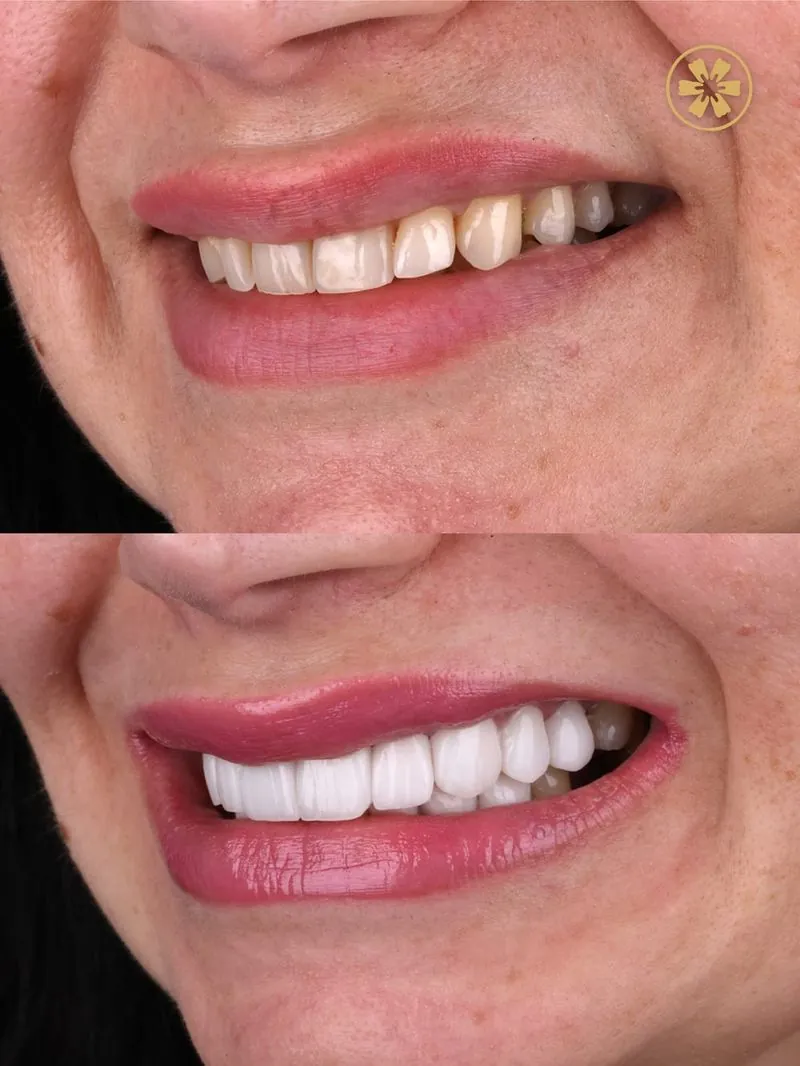
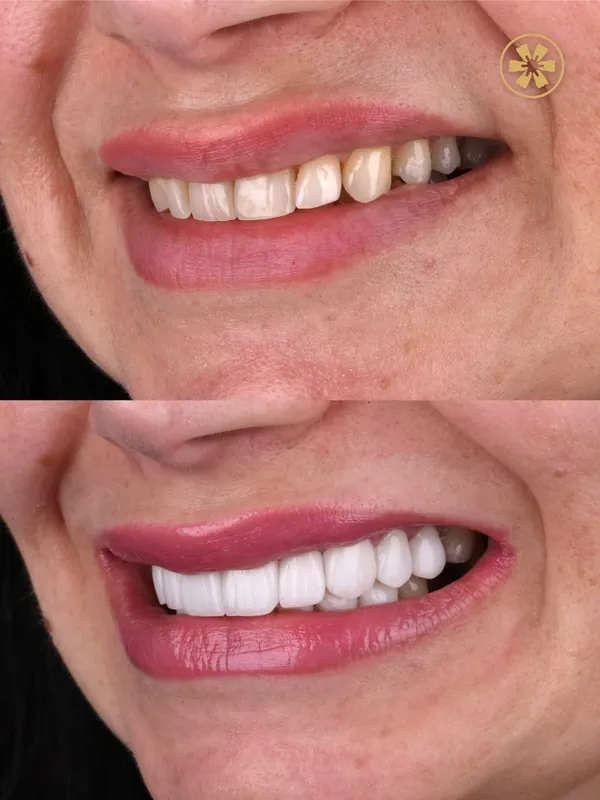
How Dr. Khalid plans it: he examines the bite, jaw movements and wear, then designs the smile so heavy contacts do not land on thin veneer edges. E.max veneers are often preferred because they combine strength with a natural look, with thickness and design adjusted to the case. Where wear is severe or the bite has collapsed, full-mouth rehabilitation or crowns may be more suitable than veneers.
The night guard is part of the treatment: a clear, custom-fitted hard guard worn at night protects both veneers and natural teeth. It does not always stop the grinding itself, but it absorbs the force instead of the porcelain. If grinding is linked to stress or sleep problems, addressing that with the right specialist also helps.
Practical step: tell your dentist openly that you grind; it changes the design and the material. Send front and biting-edge photos on WhatsApp for an initial view, and read our veneers aftercare guide. The veneers and the guard are made at Creative Art Dental Lab in Dubai in coordination with Dr. Khalid and fitted in Duhok.
- Signs: morning jaw ache, worn edges, grinding noise at night
- Tell your dentist before planning, not after
- E.max and careful bite design lower the risk
- A night guard after fitting is usually essential
People also ask it like this
Related questions
- What is a night guard and why do I need one?
- My veneer fell off – what should I do?
- E.max or porcelain veneers: which is better?
- Zirconia or E.max crown: which is better?
- All my teeth are worn and damaged: what is the complete solution?
- Can I get veneers while pregnant?
- What is the minimum age for veneers?
- Do coffee and tea stain veneers?
- What can I eat after getting veneers?
- Is sensitivity after veneers normal?