Do dental implants hurt?
Implants
The short answer
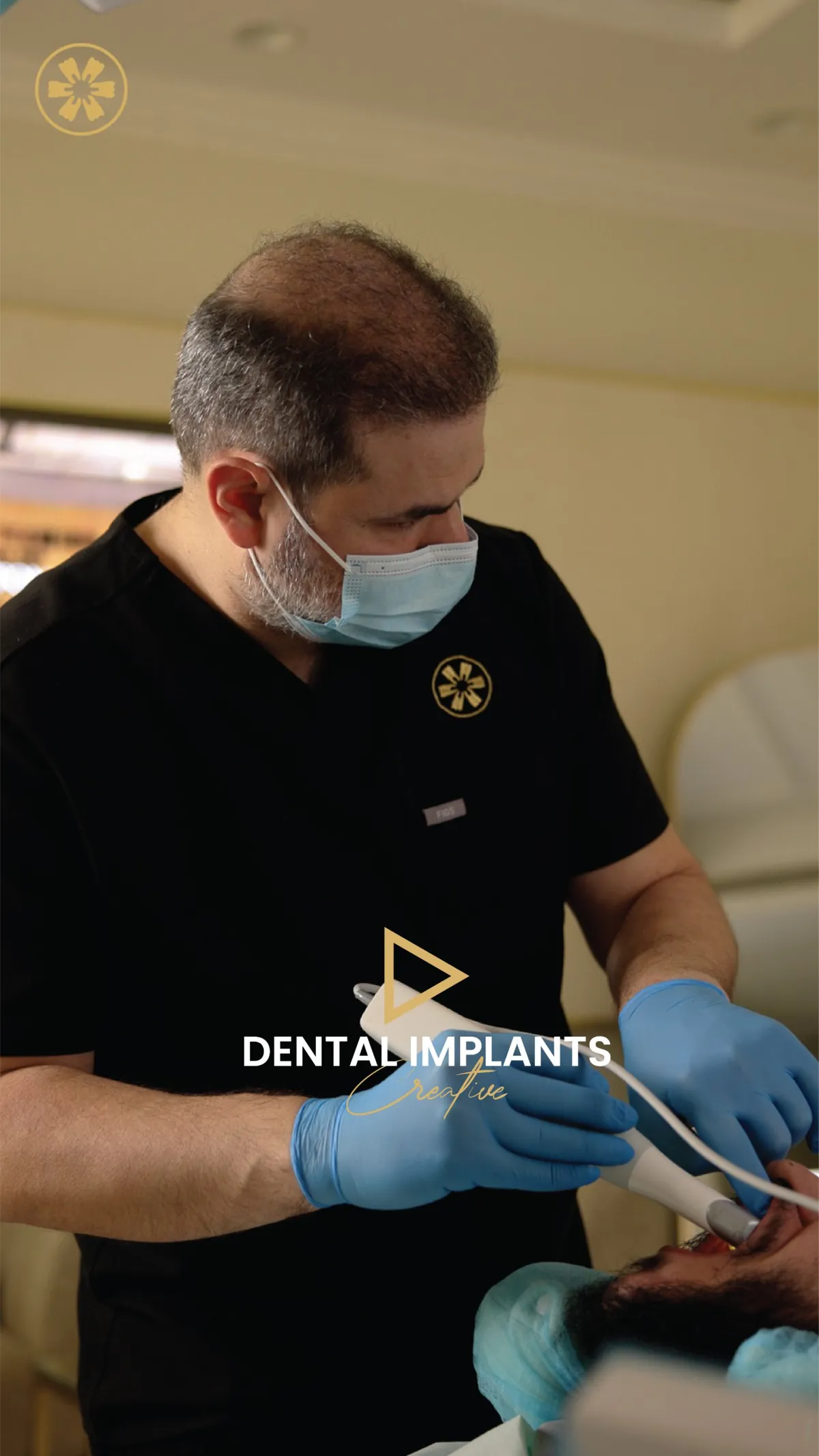
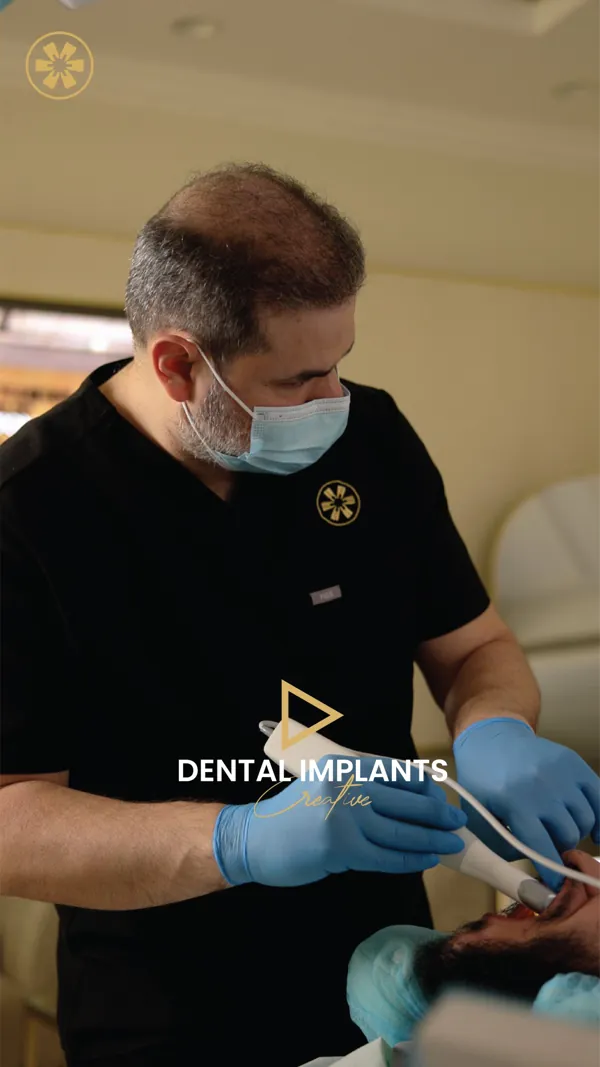
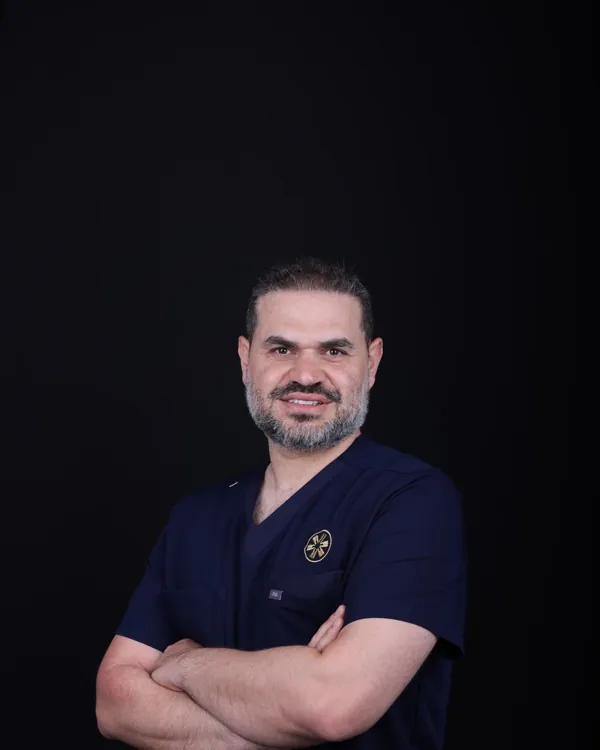
Usually not during the procedure: dental implants are placed under local anaesthesia, so most patients feel pressure and vibration rather than pain. Once the anaesthetic wears off, mild to moderate soreness and swelling for a few days is common and is usually controlled with prescribed painkillers and cold compresses. Dr. Khalid Saeed plans every implant on a 3D CBCT scan at Celebrity Smile Center in Duhok, Kurdistan Region of Iraq, to keep surgery precise and as short as possible.
The detailed answer
How it feels depends on how many implants you need and the state of your bone. A single implant in good bone is often far easier than patients expect. Cases that need bone grafting, a sinus lift or several implants in one session can bring more noticeable swelling for a few days. Before surgery, Dr. Khalid Saeed explains what you are likely to feel in your specific case and writes it into your plan alongside the number of implants and the stages, so nothing comes as a surprise.
What really reduces discomfort is planning. A CBCT scan measures bone volume and locates nerves and sinuses, so the implant size and position are chosen precisely and tissue disturbance is minimised. Active gum disease is treated first, because inflamed gums are more tender and heal more slowly. These steps are part of the standard dental implant protocol in Duhok, whether you are replacing one tooth or a full arch.
After surgery: a cold compress on day one, soft food for several days, no chewing on the new implant, no smoking, and only the medication prescribed for you. Pain that gets worse after day three, fever, increasing swelling or bleeding that will not stop is not normal and needs a call to the clinic. If you fly home afterwards, arrange your review in advance; our guide to follow-up after returning home covers the practicalities.
Full-arch treatment such as All-on-4 involves more surgery than a single implant, so the first days can be more uncomfortable — yet many patients say it was easier than years with a loose denture. Expats and visitors weighing up treatment can read dental implants for expats in Kurdistan, or send an X-ray on WhatsApp and ask Dr. Khalid before booking travel.
- During surgery: local anaesthesia — pressure, rarely pain
- Days 1–3: mild to moderate soreness and swelling
- Managed with prescribed painkillers, cold packs, soft food
- Call the clinic for fever, rising swelling or persistent bleeding
People also ask it like this
Related questions
- How long does the whole dental implant process take?
- Can I get implants and teeth on the same day?
- Can I fly after dental implants or veneers?
- Can dental implants fail, and what should I do if mine fails?
- Which dental implant brand is best — German, Swiss or Korean?
- Can I get dental implants if I have diabetes?
- I smoke — will dental implants still work?
- Can I get dental implants if I have bone loss?
- I have lost all my teeth — how can I get fixed teeth again?